
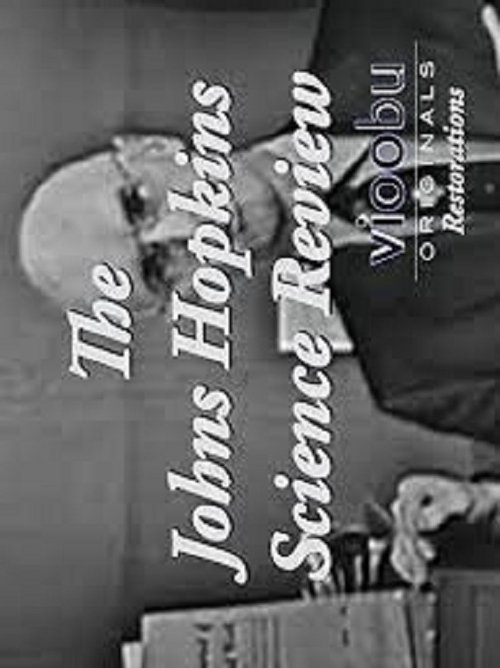
The Johns Hopkins Science Review is a US television series about science that was produced at Johns Hopkins University from 1948-1955. Starting in 1950, the series aired on the DuMont Television Network until the network's demise in 1955. The series' creator was Lynn Poole, who wrote or co-wrote most of its episodes and acted as the on-camera host. In 2002, Patrick Lucanio and Gary Coville wrote that, "In retrospect, Lynn Poole created one of those unique series that allowed television to fulfill its idealized mission as both an educational and an entertainment medium." The original series was followed by three related series produced by Poole at Johns Hopkins University: Tomorrow, Tomorrow's Careers, and Johns Hopkins File 7. Johns Hopkins University ended its production of television series in 1960.

No episode ratings available for this show.

No description available.
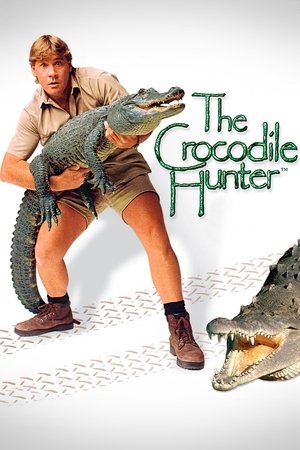
Australian host Steve Irwin and his wife Terri run a wildlife refuge. Their shared passion is educating the world about wildlife, including the much feared crocodile and numerous venomous snakes. Steve's specialty is the capture and relocation of crocodiles. No animal appears too threatening to Steve, his true respect for animals is the foundation for everything he does.
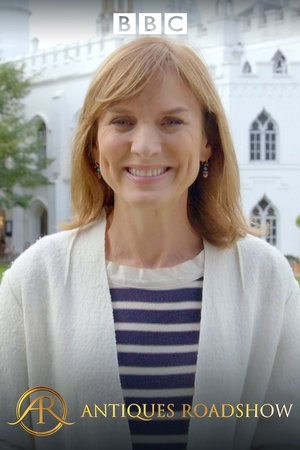
Antiques Roadshow is a British television show in which antiques appraisers travel to various regions of the United Kingdom to appraise antiques brought in by local people. It has been running since 1979. There are also international versions of the programme.

Life's pivotal moments - from becoming parents to losing a loved one. In times of challenge, crisis and change, how believers find strength and community through their faith.
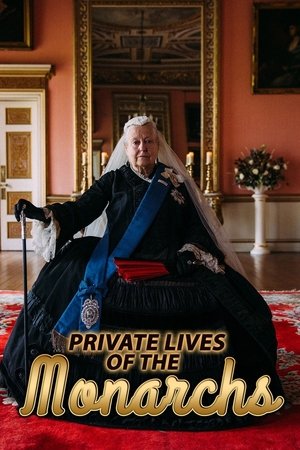
Tracy Borman reveals the intimate details of the monarchs, to find out what really went on in their private lives.
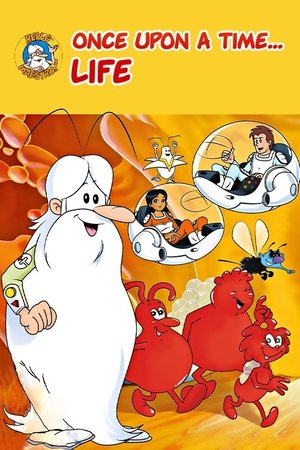
Attention please! Are you ready for an adventurous tour through the human body? With a lot of humour, our physical appearance is being introduced from head to toe along cells and organs in an educational way. The heart, blood, nerves and kidneys, each single one is a miracle which renders life possible.
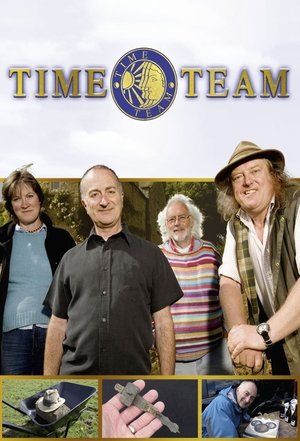
Time Team is a British television series which has been aired on British Channel 4 from 1994. Created by television producer Tim Taylor and presented by actor Tony Robinson, each episode featured a team of specialists carrying out an archaeological dig over a period of three days, with Robinson explaining the process in layman's terms. This team of specialists changed throughout the series' run, although has consistently included professional archaeologists such as Mick Aston, Carenza Lewis, Francis Pryor and Phil Harding. The sites excavated over the show's run have ranged in date from the Palaeolithic right through to the Second World War.
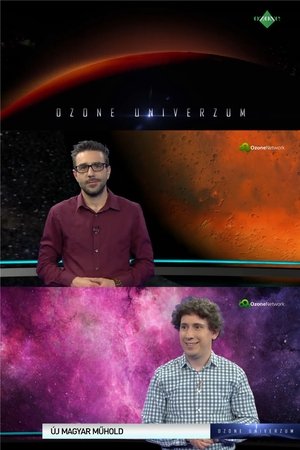
No description available.

A companion programme to TVOntario's Bits and Bytes, The Academy explores the principles and applications of computer technology in greater detail.
No description available.
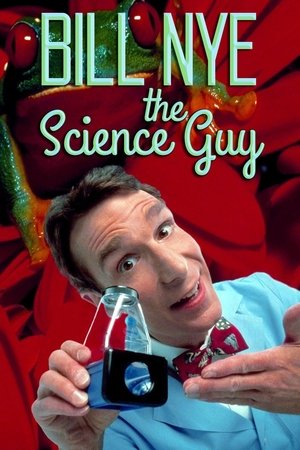
It's "Mr. Wizard" for a different decade. Bill Nye is the Science Guy, a host who's hooked on experimenting and explaining. Picking one topic per show (like the human heart or electricity), Nye gets creative with teaching kids and adults alike the nuances of science.
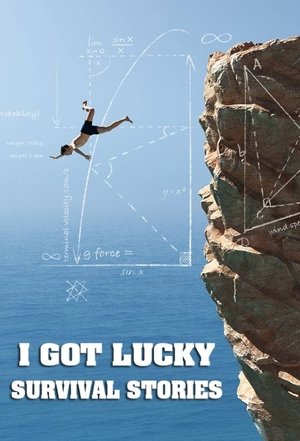
Explore some of the most death-defying accidents caught on film. Survivors and eyewitnesses explain what went wrong and a panel of experts dissect the scientific principle behind these
NOVA scienceNOW is a News magazine version of the long-running and venerable PBS science program Nova. Premiering on January 25, 2005, the series was originally hosted by Robert Krulwich, who described it as an experiment in coverage of "breaking science, science that's right out of the lab, science that sometimes bumps up against politics, art, culture". At the beginning of season two, Neil deGrasse Tyson replaced Krulwich as the show's host. Tyson announced he would leave the show and was replaced by David Pogue beginning season 6.
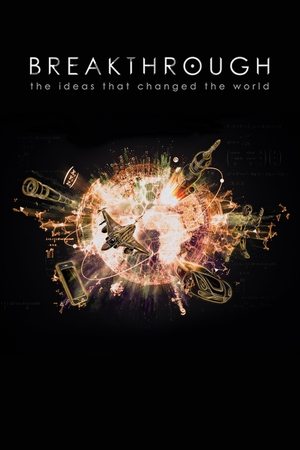
Take a mind-blowing journey through human history, told through six iconic objects that modern people take for granted, and see how science, invention and technology built on one another to change everything.

Zoboomafoo is an American children's television series that aired from January 25, 1999, to April 28, 2001, and is still shown today in syndication depending on the area, and it is regularly shown on PBS Kids Sprout. A total of 65 episodes were aired. A creation of the Kratt Brothers, it features a talking Coquerel's Sifaka, a type of lemur, named Zoboomafoo, or Zoboo for short, and a collection of repeat animal guests. Every episode begins with the Kratt brothers in "Animal Junction", a peculiar place in which the rules of nature change and wild animals come to visit and play. After January 16, 2004, the show was pulled from its weekday airing on most PBS stations, though some continue to air the show.

They are some of the world’s all-time greatest building projects. Most have stood the test of time, but with today’s technology, could they be duplicated and done better?
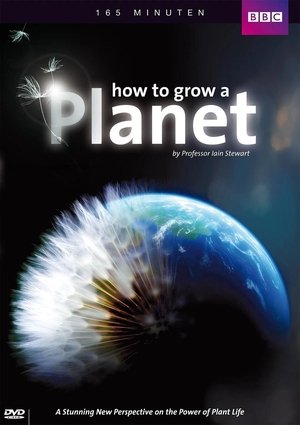
Geologist Iain Stewart explain in three stages of natural history the crucial interaction of our very planet's physiology and its unique wildlife. Biological evolution is largely driven bu adaptation to conditions such as climate, soil and irrigation, but biotopes were also shaped by wildlife changing earth's surface and climate significantly, even disregarding human activity.
Newton's Apple is an American educational television program produced and developed by KTCA, and distributed to PBS stations in the United States that ran from 1983 to 1999. The show's title is based on the rumor of Isaac Newton sitting under a tree and an apple falling near him—or, more popularly, on his head—prompting him to ponder what makes things fall, leading to the development of his theory of gravitation. The show was produced by Twin Cities Public Television. For most of the run, the show's theme song was Ruckzuck by Kraftwerk, later remixed by Absolute Music. Later episodes of the show featured an original song. An occasional short feature appeared called "Science of the Rich and Famous" in which celebrities appeared to explain a science principle.
In the series, "Wallace will take a light hearted and humorous look at the real-life inventors, contraptions, gadgets and inventions, with the silent help of Gromit. The series aims to inspire a whole new generation of innovative minds by showing them real, but mind-boggling, machines and inventions from around the world that have influenced his illustrious inventing career" (the BBC press statement). Peter Sallis reprised his role as the voice of Wallace. The filmed inserts are mostly narrated by Ashley Jensen, with one in each episode presented in-vision by Jem Stansfield. John Sparkes also voices a portion in the unseen character of archivist Goronwy.
No description available.