
David Biello, energy and environment editor at Scientific American magazine, walks viewers through a series of scenarios that outline what the nation’s energy future might look like. What if America invests in carbon capture? Could we see a nuclear power renaissance? Is wind power possible? What is a super grid, anyway?
Loading episode ratings...
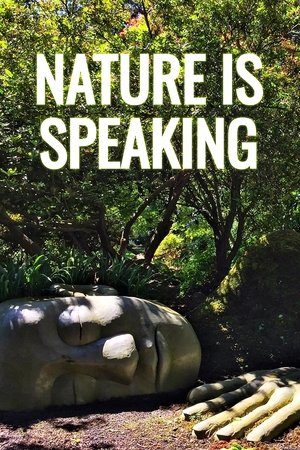
Nature is given a voice to raise awareness that people need nature in order to survive.

With Canadian wildlife habitats under mounting pressure from climate change and environmental degradation, scientific studies are crucial. In this series, we tag along with Canadian wildlife biologists on their often-challenging quest to temporarily capture wild creatures so they can install various monitoring technologies. Particular focus is on the biologists' equipment, the animals they study and the thrill of tracking them down.
No description available.
No description available.
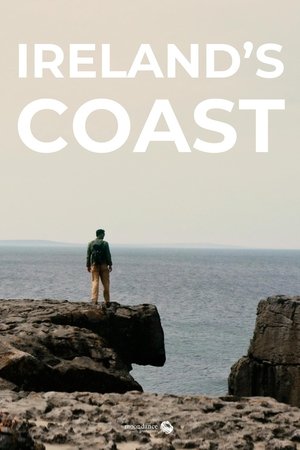
A three-part documentary series that journeys to the heart of Ireland's coast, revealing its fascinating origins, rich biodiversity and magnetic charm.
No description available.

No description available.
No description available.
No description available.
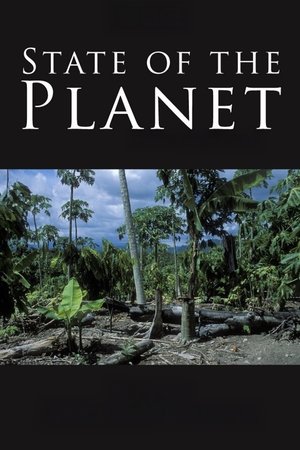
David Attenborough examines the ecological and conservation crises that threaten the world

In ten of the world’s largest cities on five continents, host Frédéric Choinière showcases the greenest, most cutting-edge, and most effective intitiatives for controling waste.
Trippin is a 2005 MTV environmental documentary television series hosted by Cameron Diaz. It also features many other celebrities, including Drew Barrymore, Redman, Jessica Alba, Eva Mendes, Mark Hoppus and Justin Timberlake. On the show, said celebrities visit various ecological locales around the world, in particular underprivileged areas of the world.

The Nature of Things is a Canadian television series of documentary programs. It debuted on CBC Television on November 6, 1960. Many of the programs document nature and the effect that humans have on it. The program was one of the first to explore environmental issues, such as clear-cut logging. The series is named after an epic poem by Roman philosopher Lucretius: "Dē Rērum Nātūrā" — On the Nature of Things.
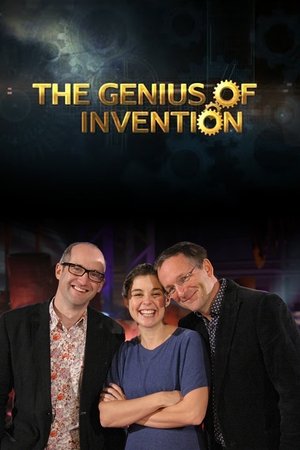
Every time we switch on a light or boil a kettle we rely on power - but most people don't stop to think about the inventions and discoveries that allow us to live the way we do. In an exciting new four-part series for BBC Two, The Genius of Invention reveals the fascinating chain of events behind inventions that make everyday life possible.
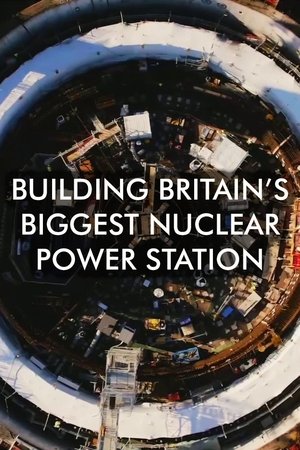
Hinkley Point C, in a remote corner of the Somerset countryside, will be one of the largest nuclear power stations in Europe, and the UK's first new station in a generation. The 22-billion-GBP project requires mammoth foundations for the two reactors, excavation of 3.5km cooling water tunnels under the Bristol Channel, and an airtight inner steel lining to contain any radioactive material in the event of a meltdown.
No description available.

Ross Kemp looks into the socio-economic and environmental pressures facing the Amazon regions of Brazil, Ecuador and Peru.
Who Killed Lake Erie is a two and a half hour television documentary that aired on NBC in September 1969.
No description available.
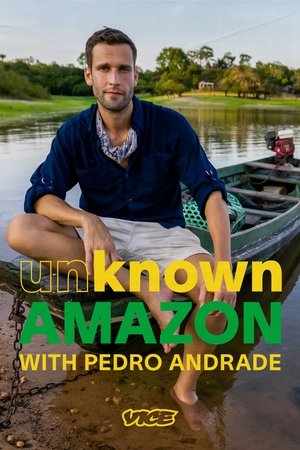
See the real modern-day Amazonia through an exploration of the Amazon Basin, meeting a different group of people who live there in each episode.
Loading episode ratings...
This may take a moment for shows with many seasons.
3 episodes • 2010
| # | Episode | Air Date | Rating |
|---|---|---|---|
| 1 | Episode 1 | Nov 16, 2010 | 0.0 |
| 2 | Episode 2 | Nov 23, 2010 | 0.0 |
| 3 | Episode 3 | Apr 22, 2015 | 0.0 |