

Chronicles the worst man-made ecological disaster in American history, in which the frenzied wheat boom of the Great Plow-Up, followed by a decade-long drought during the 1930s nearly swept away the breadbasket of the nation.
Loading episode ratings...

Animated Canadian tales of the Great Depression as told by the staff of The Toronto Star.
No description available.
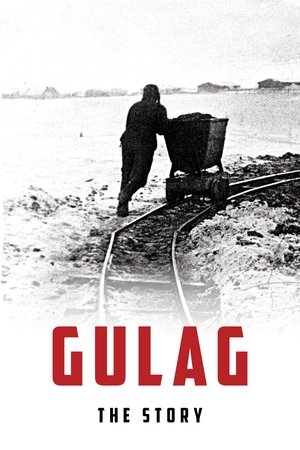
A major political, historical, human and economic fact of the 20th century, the Gulag, the extremely punitive Soviet concentration camp system, remains largely unknown.
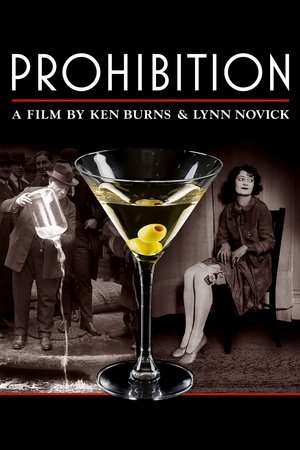
The history of the rise, rule and fall of the Eighteenth Amendment to the United States Constitution and the entire era it encompassed (1920-33). After nearly a century of activism, Prohibition was intended to improve the lives of all citizens by protecting individuals, families and society at large from the devastating effects of alcohol abuse; but paradoxically it made millions of people rethink their definition of morality.
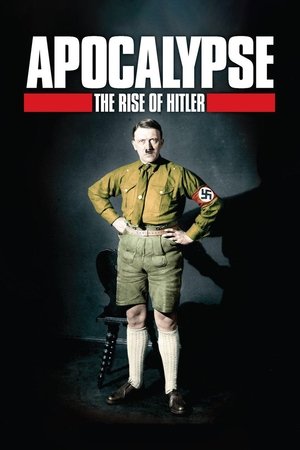
Adolf Hitler (1889-1945) was a mediocre who rose to power because of the blindness and ignorance of the Germans, who believed he was nothing more than an eccentric dreamer. But when the crisis of 1929 devastated the economy, the population, fearful of chaos and communism, voted for him. And no one defended democracy. As the dictatorship extended its relentless shadow, the leader claimed peace, but was preparing the Apocalypse.

Winston Churchill: The Wilderness Years is an 8-part 1981 drama serial based on the life of Winston Churchill, and particularly his years in enforced exile from political position during the 1920s and 30s. It was written and directed by Ferdinand Fairfax and Churchill was played by Robert Hardy. Hardy's brilliant performance as Churchill won critical acclaim and a BAFTA award in 1982. He reprised the role in The Sittaford Mystery, Bomber Harris and War and Remembrance and at the 50th anniversary celebrations of the end of World War II in 1995 when he quoted a number of Churchill's wartime speeches in character.
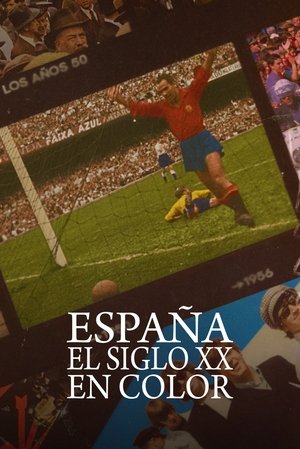
Through the birth of cinema and the first images recorded in Spain, this series takes viewers on a journey from the late 19th century to the 1970s across 6 hour-long episodes. An exclusive journey through Spain's history featuring stunning footage colorized for the first time and enhanced with realistic sound design to bring out their vividness and spectacular nature. A captivating yet educational series with lively and emotional narration that offers viewers a new way to experience the past.

Series looking at the 1920s and 30s, which creates a portrait of an age so daring, influential and exciting that it still shapes who we are today.
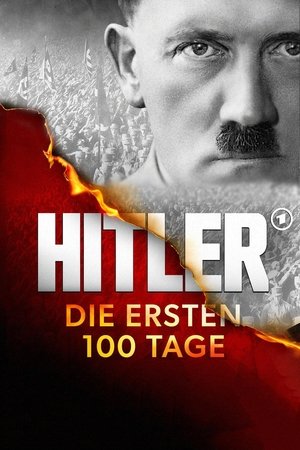
It is customary to give every new government 100 days to draw an initial summary of its work, its successes, its failures, its prospects. A “grace period” that also applied to Chancellor Adolf Hitler. However, he uses them more radically for his goals than anyone before him. This is what this series tells about – as a canon of contemporary voices. Diary entries from all over Germany document different perspectives, perceptions and very private things. How can a civilized country, a democratic state, turn into a brutal dictatorship in just a few weeks?

From the beginnings of passenger aviation, through militarization during the Second World War, to its development into one of the world’s leading aviation companies: this two-part documentary focuses on the history of Lufthansa and, using previously unpublished archival footage and eyewitness accounts, reveals unknown aspects of the German airline as well as its journey from its founding to the present day.
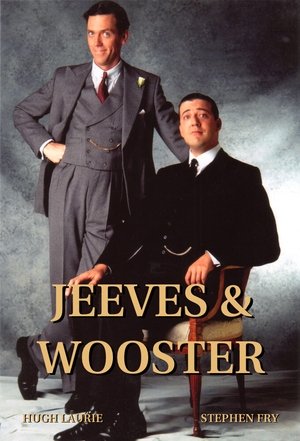
Jeeves and Wooster is a British comedy-drama series adapted by Clive Exton from P.G. Wodehouse's "Jeeves" stories. It aired on the ITV network from 1990 to 1993, starring Hugh Laurie as Bertie Wooster, a young gentleman with a "distinctive blend of airy nonchalance and refined gormlessness", and Stephen Fry as Jeeves, his improbably well-informed and talented valet. Wooster is a bachelor, a minor aristocrat and member of the idle rich. He and his friends, who are mainly members of The Drones Club, are extricated from all manner of societal misadventures by the indispensable valet, Jeeves. The stories are set in the United Kingdom and the United States in the 1930s.

A divorced woman decides to train as a Nanny in 1930s England.

Shanghai in 30s: An intriguing crime case emerges amidst the bustling city. A beautiful new graduate of police academy, Qin Xiaoman, joins the investigation unit. The famous detective Luo Fei becomes her colleague and neighbour.
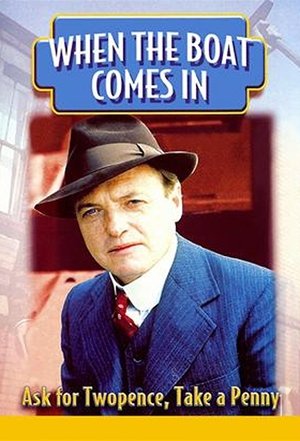
When the Boat Comes In is a British television period drama produced by the BBC between 8 January 1976 and 21 April 1981. Taking place between 1919 to 1937, Jack Ford is a First World War veteran who returns to his poverty-stricken (fictional) town of Gallowshield in the North East of England. It dramatises the interwar political struggles of the 1920s and 1930s, and explores the impact of national and international politics upon Ford and those around him.
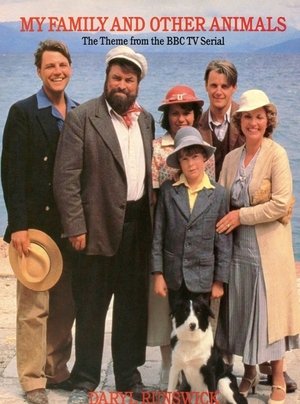
Young Gerald explored his passion for the animal kingdom with his inspirational tutor, Dr Theodore Stephanides. The backdrop was sunshine, happiness and the love and laughter of a doting, slightly eccentric family
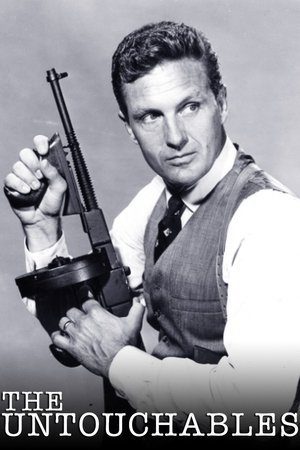
Special Agent Eliot Ness and his elite team of incorruptible agents battle organized crime in 1930s Chicago.

Alone and without her parents, Judith Dunbar spends her school days in a boarding school. When her friend Loveday invites her to Gut Nancherrow one day, it is love at first sight for Judith. The elegant lady of the house Diana, her husband Colonel Cary-Lewis and Loveday's siblings Edward and Athena immediately fall in love with her and treat her like family. But the outbreak of the Second World War put an end to the idyll on Nancherrow overnight. A long, thorny road lies ahead of Judith until she finally finds happiness in a family of her own...
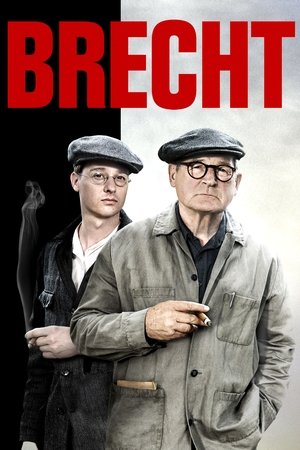
East Berlin, 1956. Bertolt Brecht, revolutionary of the theater and poet of the state, looks back: his exploits as a teenager during the World War I; his romantic adventures during the twenties; the escape of the Nazi regime; the return from exile. The life of a timeless classic, a class fighter, an indefatigable free spirit, a committed artist.

The Vital Spark is a British television comedy set in the western isles of 1930s Scotland, based on the Para Handy books by Neil Munro. Starring Roddy McMillan as Peter 'Para Handy' MacFarlane, captain of the puffer Vital Spark, the series followed its adventures around the coastal waters of west Scotland and the various schemes that Para Handy would get himself and his crew involved in. The programme first broadcast in August 1965 as an episode of Comedy Playhouse. Two series, of six and seven episodes respectively, were commissioned by BBC Scotland and transmitted in early 1966, and autumn 1967, in black-and-white. In March 1973, an hour-long TV special was made, in colour, featuring the same cast. After the success of this, a further six episodes (essentially remakes of previous scripts but in a more contemporary setting) were commissioned, broadcast in the autumn of 1974.
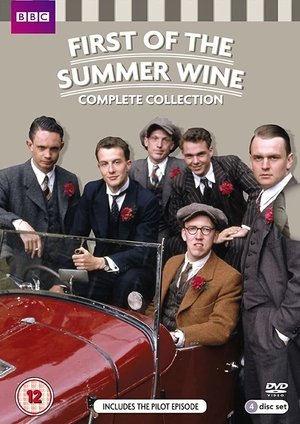
Sitcom prequel to Last of the Summer Wine set in a small Yorkshire village in 1939 as Britain becomes poised for war.
Loading episode ratings...
This may take a moment for shows with many seasons.

2 episodes • 2012Avg: 10.0
| # | Episode | Air Date | Rating |
|---|---|---|---|
| 1 | The Great Plow Up | Nov 18, 2012 | 10.0 |
| 2 | Reaping the Whirlwind | Nov 19, 2012 | 10.0 |