

No episode ratings available for this show.

No description available.

A documentary series about heroines of the II World War. Stories told from the perspective of the characters are full of emotions and tension, they show courage, sacrifice, willpower but also recklessness or pragmatism. Characters of the series are not flawless monuments but regular women with their own problems, who happened to play an important role in the history. The visual style of the project is animadoc. It comprises archival materials, interviews with experts, and sequences of fictionalised scenes: shots stylised as comic frames, where an actor is connected with scenography hand-drawn by comics illustrators.
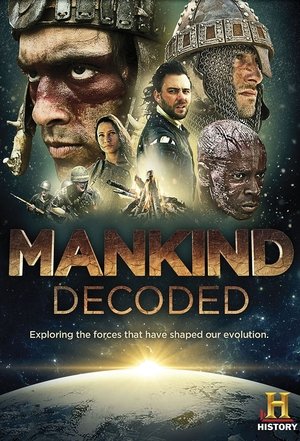
Mankind Decoded is the intriguing story of how 12 timeless forces have shaped human history in extraordinary ways. Find out how the implacable forces of nature have compelled us to adapt or die; how new technologies have transformed our existence; how our need for food brought forth civilization; and the desire for luxuries changed our world.
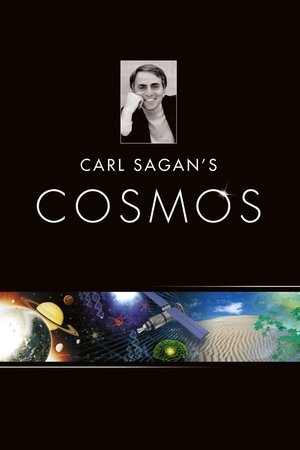
Carl Sagan covers a wide range of scientific subjects, including the origin of life and a perspective of our place in the universe.

Bill meets wildlife in Borneo and Indonesia to tell the story of Darwin's rival Wallace.

All the incredible diversity of animal life sprang from a single organism. Every animal, no matter how weird, is related to every other. And behind each species is an incredible story of the millions of generations that gave rise to it - every animal we know and love today sprang from creatures that looked nothing like it.

Around the World in 80 Days is an animated television series that lasted one season of sixteen episodes, broadcast during the 1972-1973 season by NBC. It was the first Australian-produced cartoon to be shown on American network television. Leif Gram directed all sixteen episodes, and the stories were loosely adapted by Chester "Chet" Stover from the novel by Jules Verne.

No description available.

David Attenborough uses pioneering 3D-techniques and technology to explore the unique environments and species of the Galapagos.

A documentary on the American Civil War narrated by Ken Burns, covering the secession of the Confederacy to the assassination of Abraham Lincoln.
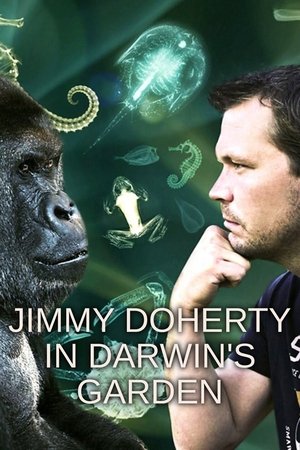
Charles Darwin came up with some ingenious experiments to prove his theory of evolution. Jimmy Doherty attempts to recreate some of these investigations.
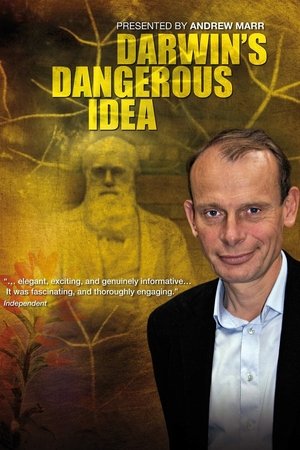
Andrew Marr explores how Darwin's theory of evolution by natural selection has taken on a life of its own far beyond the world of science.

Sir David discovers a microscopic world that’s invisible to the naked eye, where insects feed and breed, where flowers fluoresce and where plants communicate with each other and with animals using scent and sound.

No description available.
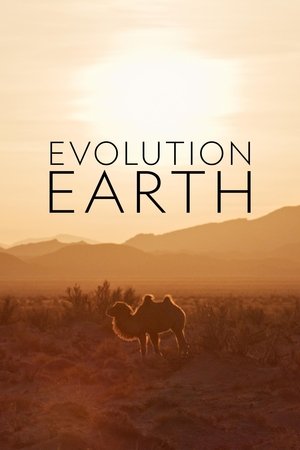
Traveling to the far corners of the world, we discover the extraordinary ways animals are adapting to our rapidly changing planet. We witness nature’s remarkable resilience, as our perception of evolution and its potential is forever transformed.
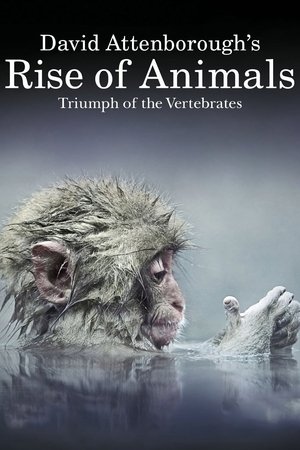
David Attenborough embarks on a remarkable 500 million-year journey revealing the extraordinary group of animals that dominate our world, and how their evolution defines our human bodies.
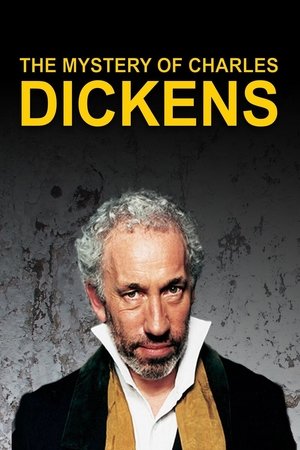
Dickens is a 2002 three-part docudrama presented by Peter Ackroyd, on whose biography of Dickens it was based. An unorthodox style is taken: actors play various individuals in Dickens' life (as well as Dickens himself), interviewed as if appearing in a contemporary documentary. Their words are from actual letters and journals of the individuals involved, and serve to illuminate the hardships and successes in Dickens' life, and the way his experiences found their way into his works.
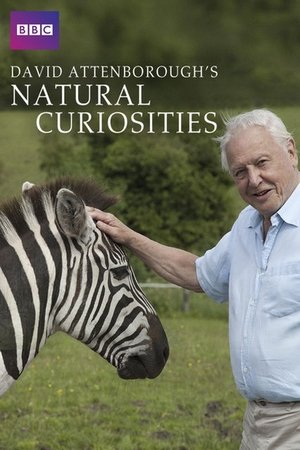
Sir David shines the spotlight on some of nature’s evolutionary anomalies and reveals how these curious animals continue to baffle and fascinate.
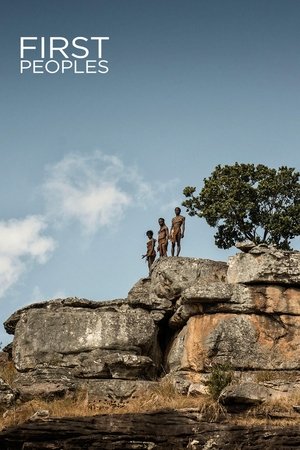
A five-part series that features the latest research exploring how early humans evolved. See how the mixing of prehistoric human genes led the way for our species to survive and thrive around the globe. Archaeology, genetics and anthropology cast new light on 200,000 years of history, detailing how early humans became dominant.
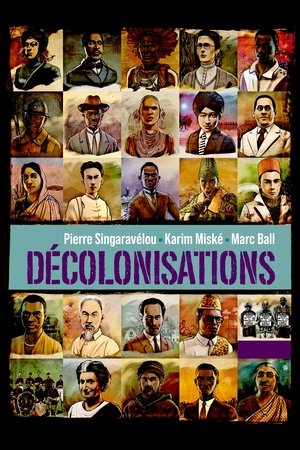
The history of decolonization from the point of view of colonized peoples, an epic story that still resonates and reverberates to this day.