
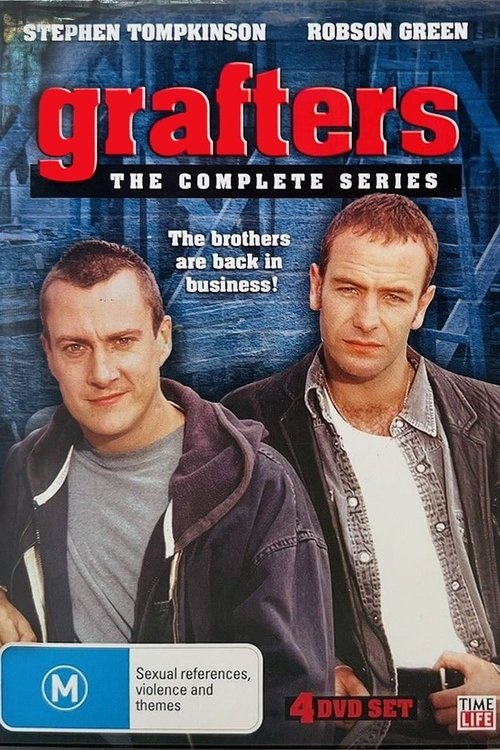
"The brothers are back in business!"
Two English brothers with different, clashing personalities become live-in home renovators for a notoriously finicky couple with strong opinions.
Loading episode ratings...
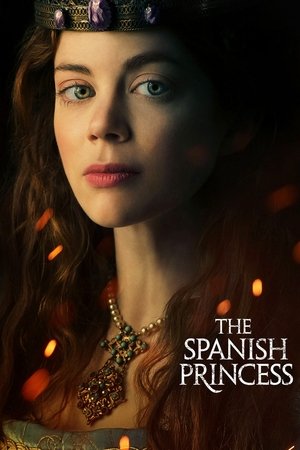
The beautiful Spanish princess, Catherine of Aragon, navigates the royal lineage of England with an eye on the throne.
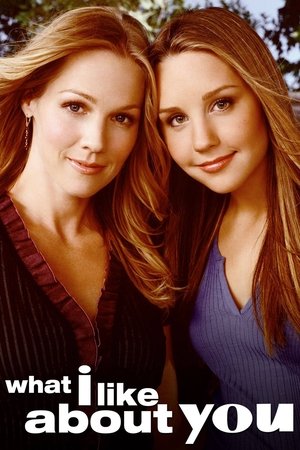
Valerie Tyler is a 28-year-old organization freak who loves her 16-year-old sister Holly. Even if Holly is rambunctious. Spontaneous. Impulsive. Disconcerting. And definitely disorganized. Then Holly moves in with Val, and the sisters discover they may make better siblings than roomies.
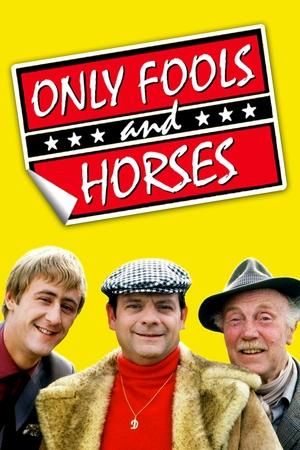
Only Fools and Horses.... Is a British sitcom created and written by John Sullivan. Seven series were originally transmitted on BBC One from 1981 to 1991, with sixteen sporadic Christmas specials aired until 2003. In working-class Peckham in south-east London, ambitious market trader Derek 'Del Boy' Trotter and his younger half-brother Rodney, explore their highs and lows in life, in particular their attempts to get rich. Initially not an immediate hit and receiving little promotion early on, it later achieved consistently high ratings, and the 1996 episode "Time on Our Hands" (originally billed as the series finale) holds the record for the biggest UK audience for a sitcom episode, attracting 24.3 million viewers. The series bears a significant influence on British culture, contributing several words and phrases to the English language.
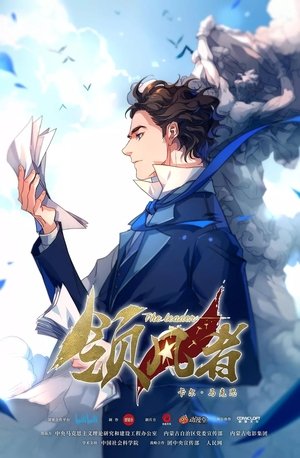
The life of German thinker Karl Marx, focusing on his political and economic theories, his romance with Jenny von Westphalen, and his friendship with Friedrich Engels.
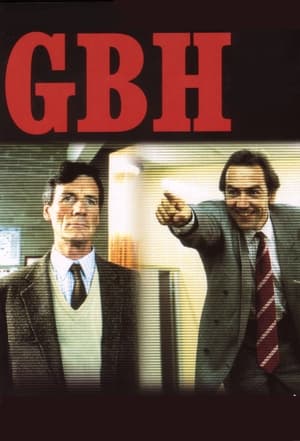
GBH was a seven-part British television drama written by Alan Bleasdale shown in the summer of 1991 on Channel 4. The protagonists were Michael Murray, the Militant tendency-supporting Labour leader of a city council in the North of England and Jim Nelson, the headmaster of a school for disturbed children. The series was controversial partly because Murray appeared to be based on Derek Hatton, former Deputy Leader of Liverpool City Council — in an interview in the G.B.H. DVD Bleasdale recounts an accidental meeting with Hatton before the series, who indicates that he has caught wind of Bleasdale's intentions but does not mind as long as the actor playing him is "handsome". In normal parlance, the initials "GBH" refer to the criminal charge of grievous bodily harm - however, the actual intent of the letters is that it is supposed to stand for Great British Holiday.
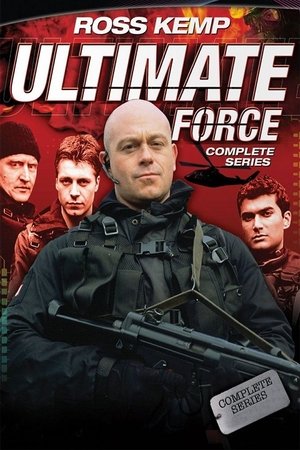
This covert combat series focuses on the Red Troop, an elite group of soldiers from the British military's Special Air Service group.
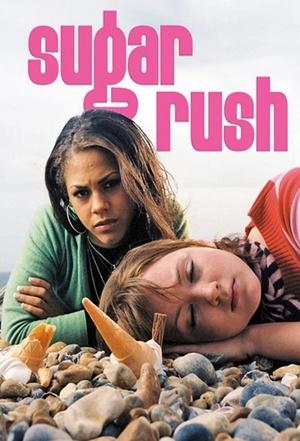
Sugar Rush is an Emmy Award–winning British television comedy drama series developed by Shine Limited and broadcast by Channel 4, based on the Julie Burchill novel of the same name. It follows the trials and tribulations of teenager Kim Daniels, who is dealing with all the usual adolescent issues, plus one - she thinks she might be gay. Her family has recently moved to Brighton from London, and she finds herself with a huge crush on her new best friend, Maria `Sugar' Sweet. Sugar has a bit of a wild side, and frequently gets Kim into trouble, though Kim can find trouble on her own as well. Despite attractions to other girls, and a few attempts at being interested in guys, Kim continues to long for Sugar.
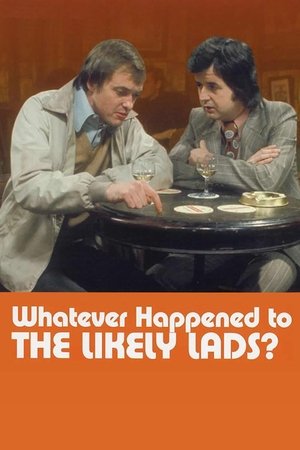
Whatever Happened to the Likely Lads? is a British sitcom which was broadcast between 9 January 1973 and 9 April 1974 on BBC1. It was the colour sequel to the mid-1960s hit The Likely Lads. It was created and written, as was its predecessor, by Dick Clement and Ian La Frenais. There were 26 television episodes over two series; and a subsequent 45-minute Christmas special was aired on 24 December 1974. The cast were reunited in 1975 for a BBC radio adaptation of series 1, transmitted on Radio 4 from July to October that year. In 1976, a feature film spin-off was made. Around the time of its release, however, Rodney Bewes and James Bolam fell out over a misunderstanding involving the press and have not spoken since. This long-suspected situation was finally confirmed by Bewes while promoting his autobiography in 2005. Unlike Bewes, Bolam is consistently reluctant to talk about the show, and has vetoed any attempt to revive his character.
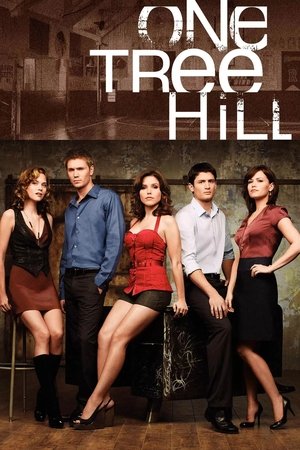
In Tree Hill, North Carolina two half brothers share a last name and nothing else. Brooding, blue-collar Lucas is a talented street-side basketball player, but his skills are appreciated only by his friends at the river court. Popular, affluent Nathan basks in the hero-worship of the town, as the star of his high school team. And both boys are the son of former college ball player Dan Scott whose long ago choice to abandon Lucas and his mother Karen, will haunt him long into his life with wife Deb and their son Nathan.
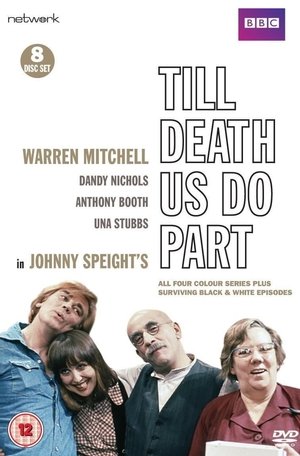
This English follows the East End working-class Garnett family, headed by patriarch Alf, a reactionary working-class man who wields racist and anti-Socialist views. His long-suffering wife Else manages to keep things in control... for the most part. Their progressive daughter Rita lives with them, as does her Irish husband Mike, who, with an array of liberal worldviews, often quarrels with his father-in-law. It inspired the American show "All In The Family" and several other international variations on the same theme.
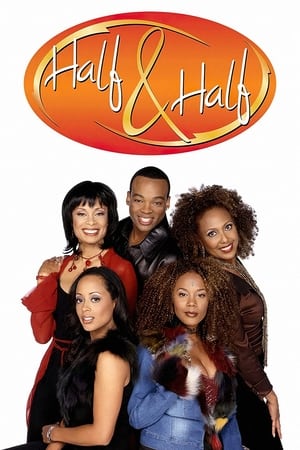
Half & Half is an American sitcom that aired on UPN from September 23, 2002, to May 15, 2006. The show focuses on the lives of two paternal half-sisters in their twenties who were estranged throughout their childhood, and are finally developing a close relationship. The series is set in San Francisco. It was the second-most-watched show on UPN's Monday night line-up and fourth overall on the network. The show was on The CW's first draft line-up in March 2006, but due to several circumstances—including The CW's contractual obligation to pick up Reba, the uncancelling of All of Us, and the pick-up of the Girlfriends spin-off The Game—Half & Half was left off the final Fall 2006 schedule and ended production. The series has aired in reruns on Global TV in Canada, Trouble in the UK and in local syndication in the United States. It also airs in the United States on TV One.
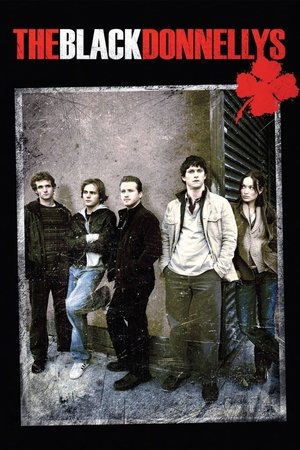
Meet the Donnelly brothers: Tommy, Jimmy, Kevin and Sean. There is nothing these four Irish brothers wouldn't do to protect each other, and for them that means lying, cheating, stealing and, occasionally, calling the cops. Narrated by wannabe gangster Joey "Ice Cream," this gritty series bears witness to the Donnelly brothers' sudden involvement in organized crime, focusing on how they go from boys to mobsters, and showing how their new life affects their relationships with friends, family and lovers.
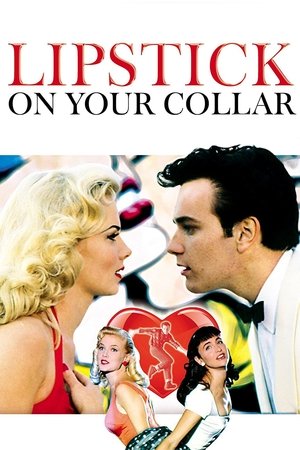
During the Suez Crisis of 1956, two young clerks at the stuffy Foreign Office in Whitehall display little interest in the decline of the British Empire. To their eyes, it can hardly compete with girls, rock music, and the intrigue of romantic entanglements.
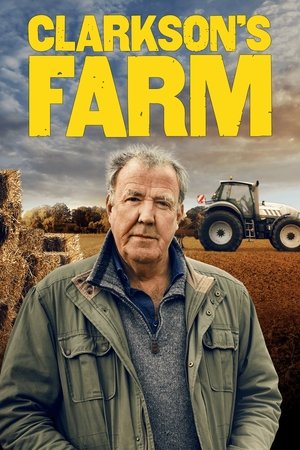
Follow Jeremy Clarkson as he embarks on his latest adventure, farming. The man who on several occasions claims to be allergic to manual labour takes on the most manually labour intensive job there is. What could possibly go wrong?
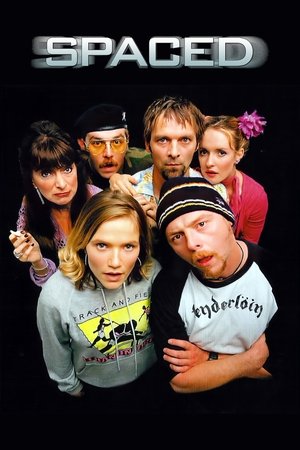
Spaced: the anti-Friends, in that it examines the lives of common 20 somethings, but in a way that is more down to earth and realistic. Here we have Daisy and Tim; two 'young' adults with big dreams just trying to get by in this crazy world. They are thrown together in a common pursuit of tenancy, which they find by posing as a couple. The house has a landlady and an oddball artist living there. The series explores the ins and outs of London living.
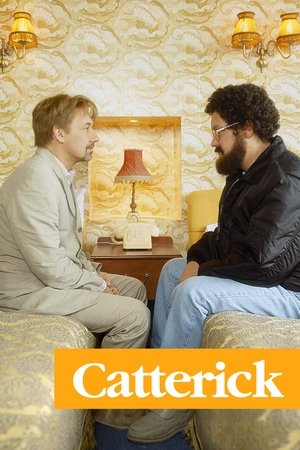
Catterick, aka Vic and Bob in Catterick, is a surreal 2004 BBC situation comedy in 6 episodes, written by and starring Vic Reeves and Bob Mortimer, with Reece Shearsmith, Matt Lucas, Morwenna Banks, Tim Healy, Mark Benton and Charlie Higson. The series was originally broadcast on BBC Three and later rerun on BBC2. Reeves has said that the BBC do not want another series of Catterick, though he may produce a spin-off centring on the DI Fowler character. Catterick is arguably Vic and Bob's darkest and most bizarre programme to date, balancing their typically odd, idiosyncratic comedy with some genuinely dark scenes. It plays like a darkly comic road movie, albeit full of Vic and Bob's bizarre, often inscrutable and frequently silly humour. Catterick is probably Vic and Bob's most uncompromising show since their notorious and frequently baffling 1999 sketch series Bang Bang, It's Reeves and Mortimer, from which most of the characters are taken. It is in some ways stylistically similar to their short film The Weekenders first broadcast in 1992 on British television as part of Channel 4's "Bunch of Five" series. The series is named after Catterick in North Yorkshire, Britain's largest army base. It is about 10 miles away from Darlington where Vic Reeves grew up. It is also about 20 miles away from Middlesbrough where Bob Mortimer grew up.

The peacefulness of the Midsomer community is shattered by violent crimes, suspects are placed under suspicion, and it is up to a veteran DCI and his young sergeant to calmly and diligently eliminate the innocent and ruthlessly pursue the guilty.
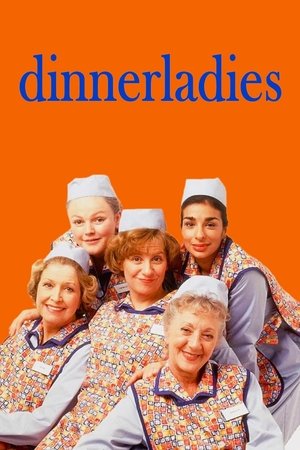
Dinnerladies is a BBC sitcom written by and starring Victoria Wood that chronicles the antics of a group of workers in a canteen in the north of England. Bren tries to maintain a semblance of order in amongst the chaos, while dealing with the canteen supervisor, slightly sex-obsessed cancer sufferer Tony. Dolly and Jean are the bickering menopausal older women, always at odds but best friends beneath it all. Then there's thick-as-two-short-planks Anita, and the terminally uninterested Twinkle, more concerned with having a good time than anything else. Making up the motley crew are military man handyman Stan, all rules and regulations, and ditzy Philippa, who never seems to get anything right.
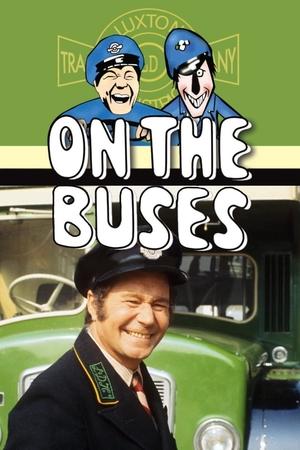
On the Buses is a British comedy series created by Ronald Wolfe and Ronald Chesney, broadcast in the United Kingdom from 1969 to 1973. The writers' previous successes with The Rag Trade and Meet the Wife were for the BBC, but the corporation rejected On the Buses, not seeing much comedy potential in a bus depot as a setting. The comedy partnership turned to a friend, Frank Muir, Head of Entertainment at London Weekend Television, who loved the idea; the show was accepted and despite a poor critical reception became a hit with viewers.
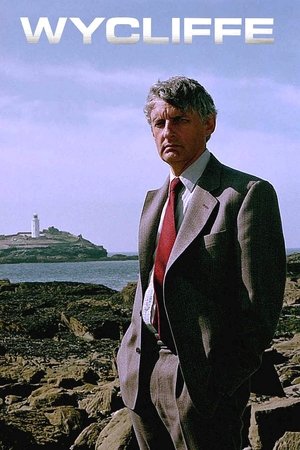
Wycliffe is a British television series, based on W. J. Burley's novels about Detective Superintendent Charles Wycliffe. It was produced by HTV and broadcast on the ITV Network, following a pilot episode on 7 August 1993, between 24 July 1994 and 5 July 1998. The series was filmed in Cornwall, with a production office in Truro. Music for the series was composed by Nigel Hess and was awarded the Royal Television Society award for the best television theme. Wycliffe is played by Jack Shepherd, assisted by DI Doug Kersey and DI Lucy Lane. Each episode deals with a murder investigation. In the early series, the stories are adapted from Burley's books and are in classic whodunit style, often with quirky characters and plot elements. In later seasons, the tone becomes more naturalistic and there is more emphasis on internal politics within the police.
Loading episode ratings...
This may take a moment for shows with many seasons.
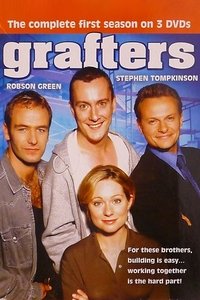
8 episodes • 1998
| # | Episode | Air Date | Rating |
|---|---|---|---|
| 1 | Episode One | Oct 27, 1998 | 0.0 |
| 2 | Episode Two | Nov 3, 1998 | 0.0 |
| 3 | Episode Three | Nov 10, 1998 | 0.0 |
| 4 | Episode Four | Nov 17, 1998 | 0.0 |
| 5 | Episode Five | Nov 24, 1998 | 0.0 |
| 6 | Episode Six | Dec 1, 1998 | 0.0 |
| 7 | Episode Seven | Dec 8, 1998 | 0.0 |
| 8 | Episode Eight | Dec 15, 1998 | 0.0 |
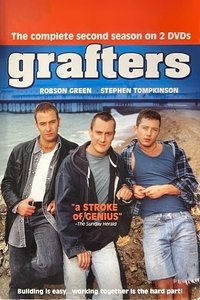
8 episodes • 1999
| # | Episode | Air Date | Rating |
|---|---|---|---|
| 1 | Episode One | Nov 1, 1999 | 0.0 |
| 2 | Episode Two | Nov 8, 1999 | 0.0 |
| 3 | Episode Three | Nov 15, 1999 | 0.0 |
| 4 | Episode Four | Nov 22, 1999 | 0.0 |
| 5 | Episode Five | Nov 29, 1999 | 0.0 |
| 6 | Episode Six | Dec 6, 1999 | 0.0 |
| 7 | Episode Seven | Dec 13, 1999 | 0.0 |
| 8 | Episode Eight | Dec 20, 1999 | 0.0 |