

Robert Hughes tackles the work and lives of three remarkable 20th-century architects: Albert Speer, Mies van der Rohe, and Antonio Gaudi - whose work did so much to shape the modern world. Hughes looks at how each one used space in different ways to express our response, respectively, to the power of religion (Gaudi), the power of the State (Speer), and the power of the corporation (Mies van der Rohe).
Loading episode ratings...
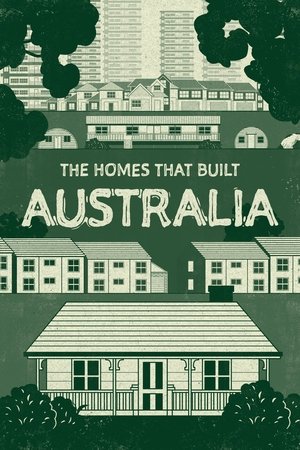
This four-part history series looks at how Australia has been shaped by its many definitions of home. Historic moments impacted homes, their designs, and the way we live as a society. From economic booms and busts to the fight for Land Rights and recognition, from various cultural migrations to the unrelenting force of nature, emerges a country building its way into the future.
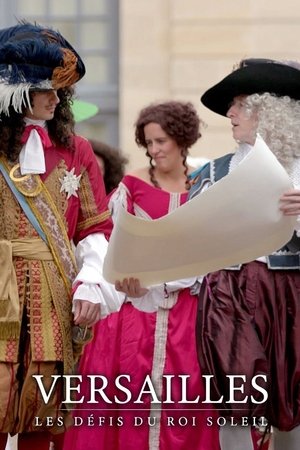
No description available.
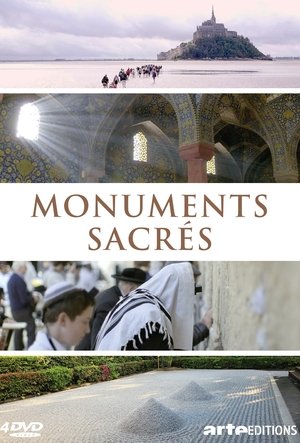
Hindu or Buddhist temples, synagogues, churches or mosques: religions have inspired architectural marvels. Four episodes to discover jewels of Muslim sacred art, masterpieces of Christian architecture, captivating Hindu and Buddhist buildings or even the most beautiful synagogues, witnesses of the history of the Jewish people.
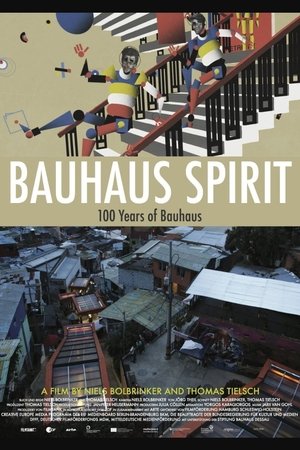
No description available.
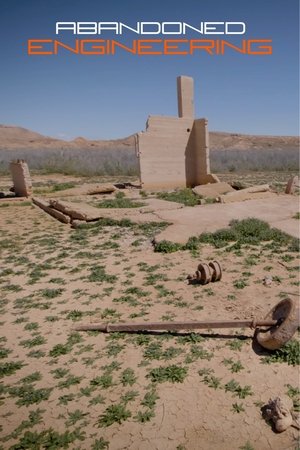
These are some of the most spectacular examples of abandoned engineering the world has ever known. The series explores how and why they were built, consider the financial and social costs of their failure and examine the environmental and ecological impacts. The series also explores how experts came up with plans to make something beautiful or useful from the ruins.
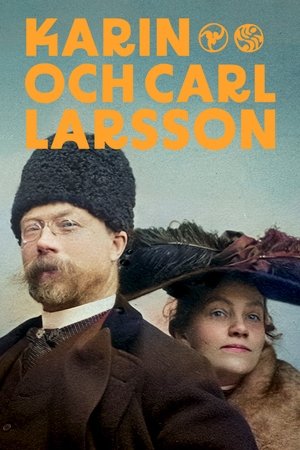
No description available.
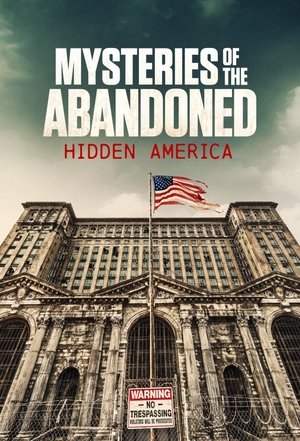
Scattered across the United States are abandoned structures, forgotten ruins of the past and monuments to a bygone era. Each one shines a light on the story of this land and its people, revealing the secrets of a hidden America.
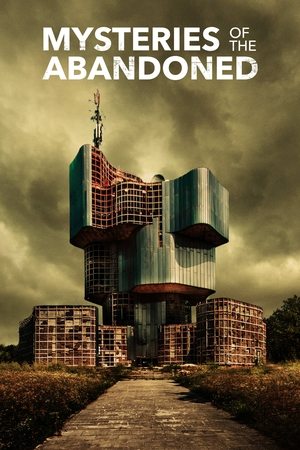
Documentary series investigating why some of the world's most advanced architectural achievements were abandoned.
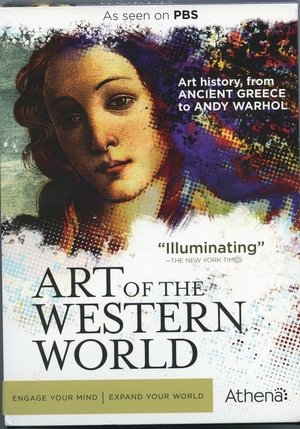
First broadcast on October 2, 1989, these 18 original 30-minute episodes provide a panorama of 2000 years of architecture, painting and sculpture, and studies the art masterpieces as reflections of the Western culture that produced them.

No description available.
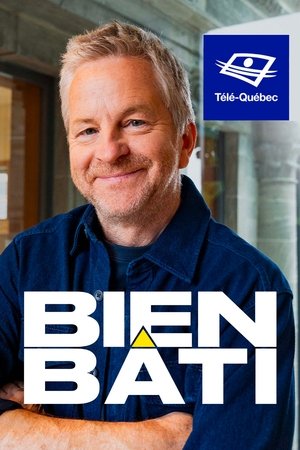
Across Quebec, André Robitaille meets with individuals, organizations, and businesses that have embarked on renovations or restorations of unique historic buildings. Whether by vocation, business, or because fate has thrown an ambitious project their way, the people who have taken charge of these unforgettable places share their stories with passion. Through their experience, the show offers an open door to a host of fascinating heritage sites, where we understand that built heritage is more alive than ever.
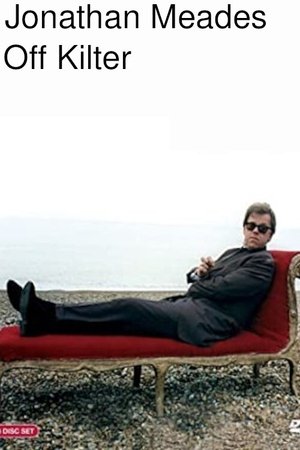
Jonathan Meades takes a quixotic tour of Scotland, a country which has intrigued him since he first encountered lists of towns only known from football coupons
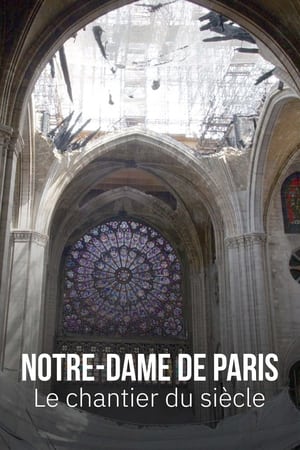
No description available.

No description available.

Embark on a global cultural journey into street food and discover the stories of the people who create the flavorful dishes.

No description available.

Reveals how maps shape not only our sense of geography, but also our social, political, and even religious thinking. In the past, mapmakers have provoked assassinations, won or lost wars, and opened the ways to wealth and power. Today, they help answer the crises of epidemics and climate change. Narrated by Patrick Stewart. Shown over six weeks on PBS, from April 1, 1991 to May 6, 1991, The Shape of the World uses the subject of mostly old maps to cover history, from Eratosthenes, the Egyptian Greek who figured out the circumference of the Earth over 2,200 years ago to modern (in 1990) satellite mapping using computers. The film crews go all over the world, from Portugal to Mexico to the Palio in Siena to the Far East. 3-disc set Released August 2009 The epic tale of mapping the globe, as seen on PBS. Produced in consultation with the British Library and Royal Geographical Society-the world's largest scholarly organization dedicated to the science of geography. "Explores the history of mapmaking with elegance and intelligence" - The New York Times. How do we see the world? Some ancients believed it rode on the back of a turtle. The Greeks viewed it as a sphere and measured it with astonishing accuracy. Today, scientists monitor it from space, detecting complex climate patterns that threaten our survival. Narrated by Patrick Stewart (X-Men, Star Trek: The Next Generation), this fascinating six-part series traces the history of mapmaking, from crude clay tablets to sophisticated electronic screens. Internationally respected historians, NASA scientists, and other experts explain how humans rely on imagination, observation, and mathematics to create pictures that make sense of our world. Throughout history, maps have served as symbols of wealth and power, tools of conquest and subjugation, and instruments for saving lives. They once held information worth killing for, and now they offer clues that might avert global destruction.

No description available.
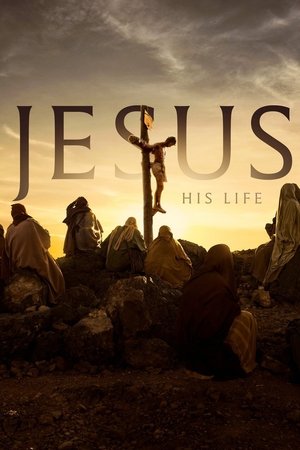
Explore the story of Jesus Christ through a unique lens: the people in his life who were closest to him. Each of the eight chapters is told from the perspective of different biblical figures, all of whom played a pivotal role in Jesus’ life including Joseph, John the Baptist, Mary Mother of Jesus, Caiaphas, Judas Iscariot, Pontius Pilate, Mary Magdalene and Peter.

The daily life and training of a group young committed farmers who work at the Ferme des Quatre-Temps as they explore new approaches to organic farming. At the heart of this innovative process is their mentor, Jean-Martin Fortier.
Loading episode ratings...
This may take a moment for shows with many seasons.
3 episodes • 2003
| # | Episode | Air Date | Rating |
|---|---|---|---|
| 1 | Antoni Gaudi: God's Architect | Feb 5, 2003 | 0.0 |
| 2 | Albert Speer: Size Matters | Feb 12, 2003 | 0.0 |
| 3 | Mies van der Rohe: Less Is More | Feb 19, 2003 | 0.0 |